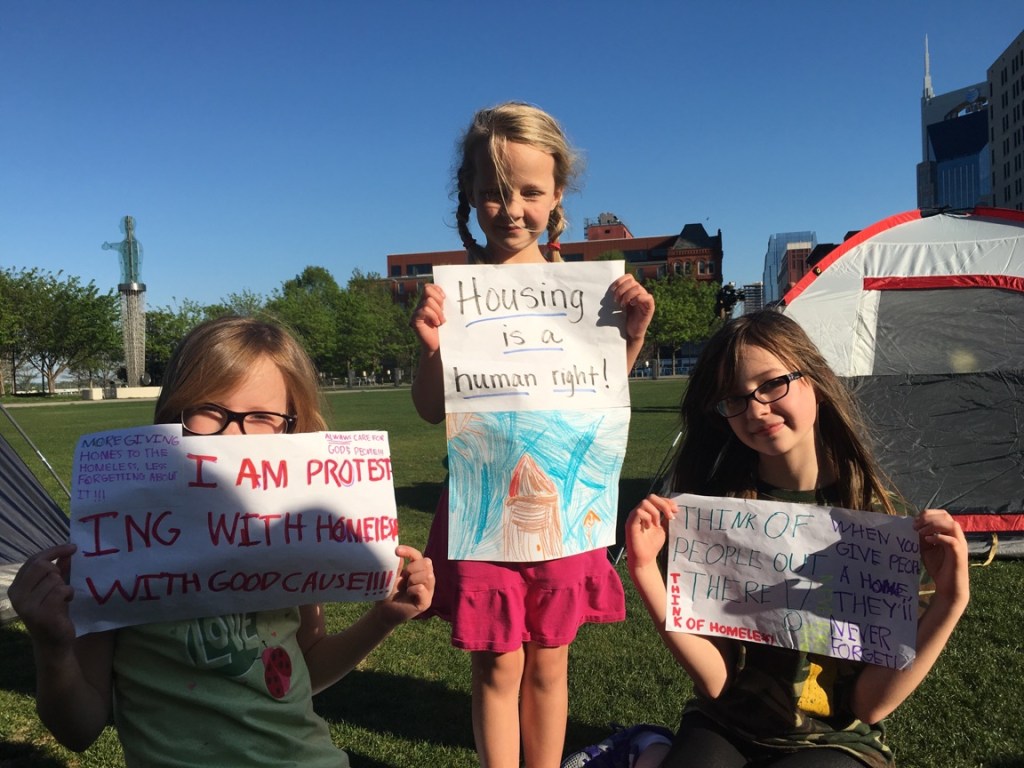
My 20th year of teaching: Embracing my anti-hero’s journey

Last night I was trying to settle down for sleep, which is always challenging the night before the semester starts. I was tossing and turning, and then it hit me: I was about to embark on my 20th year of full- time teaching.

Earlier yesterday I read a post by my friend David Hutchens, who specializes in helping companies and organizations tell their stories. He posted on his social media sites about it being time to abandon the hero’s journey. He said that while it is fascinating and deserves our attention, the best uses of the hero’s journey as a storytelling tool take 2 hours or more. He went on to say that storytelling is best done in micro narratives, and that “Those small moments can say everything about who we are, and why we are here.” That really resonated with me, and I tucked the post away in my brain to think about more at a later time.

That time came sooner than I expected, as I realized last night about it being a big anniversary for me in terms of teaching. I thought about how my pedagogy had shifted over the years in small ways, but honestly the things that were important to me then are what drive my teaching now. I want students to be able to experience community in class. I want them to be able to translate theory and other concepts into practice in order to work effectively with people. I want them to think critically and act with integrity. I want them to remember the importance of relationship.

I was a good teacher 20 years ago, and I am a good teacher now. It isn’t bragging to say that, when in the same breath I can tell you ways I fall short.

In terms of a hero’s journey: I will never win a big teaching award or be famous for my teaching. I won’t have an epic period of revelation or transformation. This isn’t my story.

But I have about a million micro narratives, some of which have occurred in class and some of which have happened outside of class. I think about the night a student gave a spoken word about her fears that her brother, a biracial teen, would experience violence at the hands of police. I think about the same class the following week, where a student gave a spoken word about Blue Lives Matter. I think about the tension of having to hold space for both of those students, and to simultaneously support both students in the ways they needed while encouraging growth. I think about the days and nights students have shared part of their stories, and their family stories, as a way of making sense of who they are and what has called them into a profession of service and advocacy.

I think about the number of students who have come into my office over the past 19 years to tell me they had gotten engaged or eloped! I think about the number of people who have come to my office to tell me they were pregnant, and sometimes their parents didn’t yet know. (To the best of my memory there is no Venn diagram overlap in that group of people.) I think about the number of people I have walked over to student counseling services, knowing that they needed to be there but not wanting to send them out alone. We all need someone to come along with us in some times and spaces.

I think about the number of times a Marvel character has entered my classroom. Okay, so it is only one time but…..how many of you can say Spiderman appeared in your classroom? (Still unclear why this happened but it was fall of 2020 and who was really questioning anything?)

I like thinking of my teaching as an anti-hero’s journey. And I am thankful to my friend Dave for helping me see the value in remembering the micro stories. Not every class is going to be exciting or have a big win of some kind, but every day I teach there are moments where I can bring my best self (the one that exists in that moment, your mileage may vary from time to time) to students in order to listen deeply, to encourage them, and to meet them where they are in that moment. I get to help them think about things they may never have questioned before, like why poverty is so prevalent, and why aren’t we taught certain things in our typical history classes. I get to be in relationship with them as they are preparing to do good work in the world.

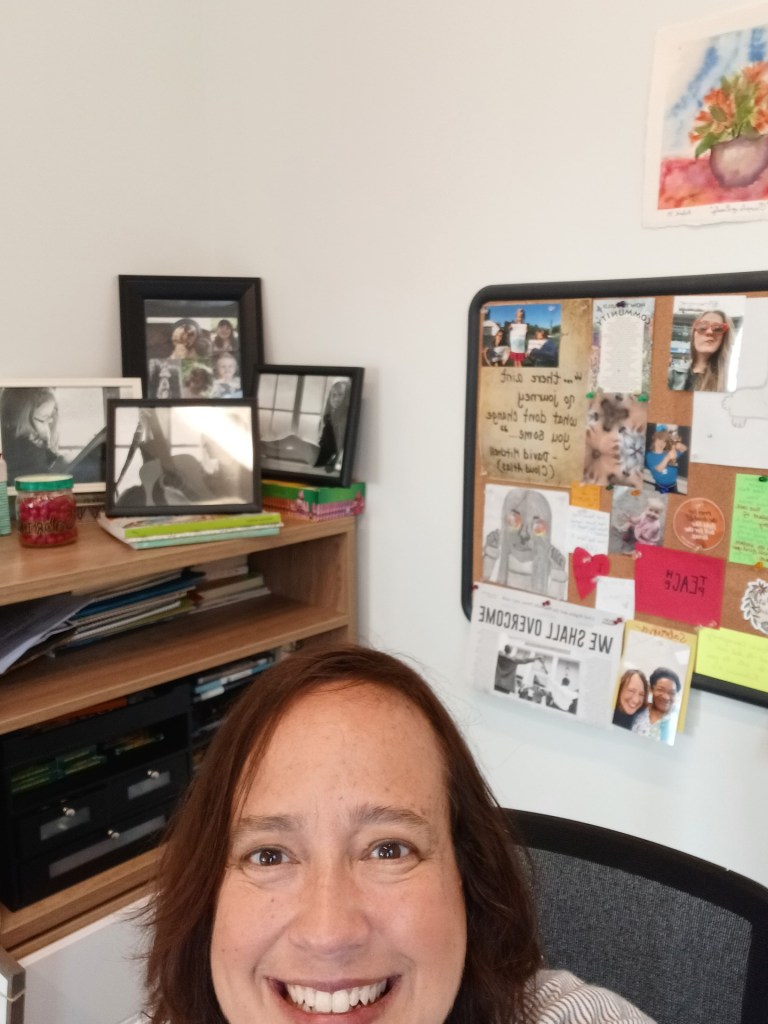
Today, before my first class, I took a picture of myself in my office, and then I happened to walk with a new colleague to our first classes and she asked for a pic of the two of us. In both pictures I am happy, and also hyped up on adrenaline and Coke (the legal kind bottled in Atlanta, not the other kind).

At the end of the day, I looked tired. Like really, really tired. Taylor Swift is right about this, as she is about many things: it is exhausting to always be rooting for the anti-hero. It is also exhausting to be one, especially in a semester with four different preps and my own children at developmentally significant stages.

But I promise to keep showing up. And whatever year of teaching (or community building or accounting or parenting or whatever) it is for you, I hope you have peace in remembering that there are scenes and moments in your work and your life that make a difference.

Embrace your anti-hero’s journey.

Resources for teaching about poverty (part 2)

A couple of weeks ago I shared some of the resources I use when teaching my class on Poverty in the US. You can access part one here. I finished the course outline for the class earlier this evening and am ready to share the rest of my resources! If you are interested in seeing the whole syllabus, just comment on this post and we will connect.

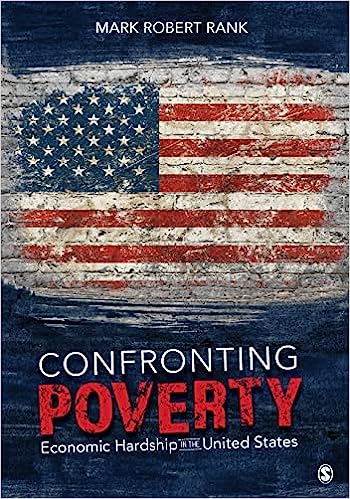
In the various iterations of this course over the years, there have been two texts I have leaned on to provide a bulk of the structure. One of these is A People’s History of Poverty in the US (edited by Pimpare) and the other is One Nation, Underprivileged: How American Poverty Affects Us All (by Mark Rank). I love the Pimpare book because it is written in the tradition of Howard Zinn and because it covers aspects of history not usually taught in traditional US history courses. I have always valued the Rank book because of the way he breaks down research findings into usable ways, but the last time I taught this course the data was already a little “old”. I was so happy to see a new Rank book, published in 2020, and this is providing the structure for my course this semester. It is Confronting Poverty: Economic Hardship in the United States. I was so excited to see that the majority of chapters in the book fit with the way I usually structure the course (looking at urban and rural poverty, looking at individual/cultural explanations for the cause of poverty but putting more weight on the structural concerns, etc.) There were additional chapters that I cheerfully added to my syllabus, including the very welcome one on organizing for social change. I have been reading the book as I have been working on the syllabus, and if this is a topic you want to learn more about or are teaching about, I heartily recommend it!

Aside from the book, there are some additional readings and resources I use to round out the semester. Some of them I choose specifically because they help my students understand the Nashville context more, and/or because they can see a local and real example of something we have talked about, such as a Universal Basic Income demonstration and the report of a local affordable housing taskforce.

A topic I dive a bit deeper into is the juxtaposition of faith/religion and poverty and politics and poverty. (And heaven knows, many times all three are in the mix.) To explore faith-based responses to poverty historically and current, I found a really interesting text called Charitable Choice: Promise and Peril in the Post-Welfare Era. I was able to download this through my institution’s library, and there are unlimited downloads so my students should all be able to access it at the same time. I plan to use a couple of chapters from this text. For exploring the political piece, I assign students to read the party platform statements of the Democrats, Republicans, Greens, and Libertarians. I ask them to reflect on what the party itself says about poverty (attributions, solutions, etc).

One area the Rank book doesn’t go as deep as I think is important is in the area of food security. Here is an open-access article from a public health perspective on programs and policies to support food security in the US. The USDA provides the most in-depth and user friendly information on rates of food security and food insecurity.

Photo by Syd Wachs on Unsplash

Finally, I also use some supplemental resources on class mobility in the US. Here is an informative open access article on how class mobility varies among different regions in the US and the Opportunity Insights portal will take you to more information on social mobility than you know what to do with (almost!). Particularly interesting here is the Opportunity Atlas where you can enter a zip code and get information on income, mobility, education, etc specific to your community. It is easier for me to navigate this than the Census website.

As you can tell, I am really passionate about teaching about this topic. It is so important for not just social workers but the general public to understand. We are all in this together.

ICWA upheld!

Last fall semester, students and I tracked the Haaland v. Brackeen case being heard by the Supreme Court. We discussed the atrocities of the “boarding school” era, and the history of the Indian Child Welfare Act, as well as some of the challenges the law has faced in previous years.

Follow this group on Twitter! Image snapped from their Twitter feed.

One of the things we read toward the end of the semester that was really helpful was this blog post breaking down the then-current legal opinions on the case. In short, the prospect of ICWA being upheld at that point seemed grim.

But today there was good news in the policy world, and ICWA was upheld. You can read a breakdown of the Supreme Court decision here, written by the same person referenced above. It is interesting to see how some of the justices shifted their opinion over the course of the past 6 months, proof that advocacy is important and that we need to be able to link outcomes to policy. This article from Native News Online discussing the decision will be one I use in the coming fall semester. It is a good discussion and overview from the people who are the closest to the issue and a great reminder that policy shapes the lives of people, and a nation’s policy says who and what we care about (and who and what we don’t).

Resources for understanding and teaching about poverty (part 1)

The anniversary of Robert Kennedy’s death was yesterday (June 6). He said “as long as there is plenty, poverty is evil”. He was assassinated in 1968, just two months and two days after the assassination of Dr. King. Both of these men at their death were committed to eradicating poverty in the US, and part of their work was in making sure people (both political leaders and the “average” American) weren’t able to close their eyes and ignore the problem.

I do think some people want to close their eyes and ignore the problem because it feels so overwhelming to try and solve. I think some people want to ignore the problem because they live in a mental place of “it isn’t going to happen to me”.

Several years ago, I developed an elective course on Poverty in the US, and I appreciate having the opportunity to teach a course with this focus (though the topic is woven into several courses in the social work curriculum in various ways). Part of my goal for the class is to address the two mindsets above (about it being overwhelming and about thinking “it won’t happen to me”). I also want students to be critical consumers of news about poverty, and I want them to know what resources are in their community. I get to teach my Poverty in the US elective this fall for the first time in several years so I am thinking through my syllabus as I have some time, updating readings and resources, etc.

The most recent “official” data on poverty in the US is the Census report that was published in fall of 2022 about US poverty in 2021. You can download that report here. There is a ton of data to digest, but I think it really useful for showing trends. This report from the Social Security Administration is a totally “in the weeds” discussion about the history of how the official poverty measure was developed, and while I have never been brave enough to assign it to students the info in this report has helped me answer many of their questions over the years.

This living wage calculator is a great tool from MIT to help students understand how much someone would need to earn to be able to afford housing, childcare, etc. Using this tool in conjunction with a discussion about minimum wage jobs and specific employment contexts familiar to them is a great tool for learning.

Another topic we discuss in class is the likelihood of experiencing poverty across the lifespan. I will write more on that in a future post, but this poverty risk calculator is a great tool for this aspect of the course.

The first couple of times I taught this course I “saved” the intervention discussions for the last part of the semester, so that we could have a big focus at the end of the course on thinking about “what works”. However, it can be a little depressing to never discuss or point out solutions and things that make a difference before week 13 of a 15 week semester. So, we sprinkle some “good news” in throughout, and one of the best resources for this is from the Poverty Solutions at the University of Michigan.

24 people a minute: Teaching about intimate partner violence

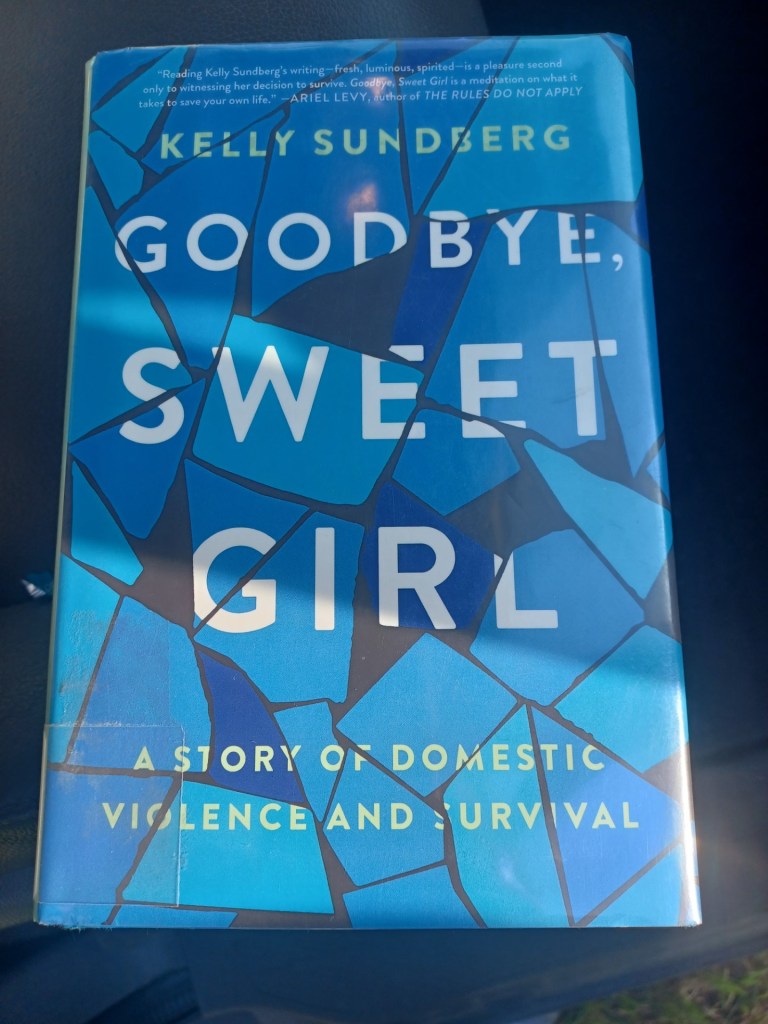
I read a memoir recently called Goodbye, Sweet Girl: A Story of Domestic Violence and Survival by Kelly Sundberg. I hope to use it in the spring 2024 semester when teaching an interdisciplinary learning course on Trauma Studies, but if I hadn’t already missed the deadline for book orders for fall 2023, I would probably add it to my HBSE list in addition to the traditional textbook.

As the title indicates, this memoir is about the author’s experience of intimate partner violence (IPV) in her marriage. For anyone who has ever said “I just don’t understand why someone just won’t leave a violent relationship!”, this book can help you understand. For anyone who has ever minimized, or heard someone else minimize, the impact of non-physical IPV, this book will help you see how damaging it can be. For anyone who needs specific examples of the way the cycle of violence can be manifest in a relationship, you can see it here.

From a social work/educator point of view, this memoir is really valuable for all the reasons above and more. The only thing that gave me a bit of pause was at the end of the book, when the author offered some possible reasons why her husband had been violent. There were a couple that (from my reading) sounded like she was implicating her behaviors as a reason violence had occurred and that is contrary to what I believe and how I have been taught from early on in my professional career. Someone else could have a different read on that, and it could still lead to good class discussions.

I always talk about IPV during the young adult lifespan stage in my HBSE course. Most years I have taught HBSE at least twice an academic year and so have taught it at least 40 times. Never have I taught the class where someone did not speak up in class or approach me afterword about their own personal or family experience with IPV. When you think about the frequency with which this happens, this isn’t a surprise.

Obviously, you need to be sensitive when introducing this topic. The week beforehand, I always remind students that we will be discussing IPV and that they should remember to care for themselves if reading the material or preparing for class is triggering in some way.

Most people are familiar with the Cycle of Violence and the original Power and Control Wheel. There are also extensions and other editions (for lack of a better word) of the power and control wheel available here.

The National Domestic Violence Hotline is a great resource to point students to, not only for them to be able to share with others but also to get an understanding of how safety plans can be constructed. The National Coalition Against Domestic Violence has a wealth of information, including fact sheets and state level resources that are useful for classroom activities and helping people understand more about this issue. The Center for Disease Control and Prevention has a number of resources that are easily accessible for students, including discussions of risk factors, teen dating violence, stalking, and more.

I always think this topic is important to discuss not only from the perspective of being a future social worker or other helping professional, but also just from the perspective of being human. One of the main things I was thinking as I read the memoir was “I wish you had had a village of supportive people around you”.

We are a part of each other’s villages.

Books are…the most patient of teachers: My top picks

One of the things we talk about in social work is the necessity of lifelong learning. When I think about all the knowledge I have now, versus when I graduated with my undergrad degree in social work, I would be in poor shape indeed without additional learning. Most of this has come in the form of reading. I love reading (as opposed to a workshop or something) because you can take in the material at your own pace and it is relatively inexpensive (or free, if you use the library). Charles Eliot said “Books are the quietest and most constant of friends; they are the most accessible and wisest of counselors, and the most patient of teachers.”

Photo by Huu1ef3nh u0110u1ea1t on Pexels.com

If you missed these books in your formal education so far, read them when you can. Some may be more of a “fit” for your work than others, but I think they all have important things to teach us, either with respect to families, child development, poverty, racism, policy history, and/or other systemic issues. In no particular order, these are the books that have shaped me in recent years (some more recent than others) and been the most patient of teachers for me:

  • The Boy Who Was Raised as a Dog (Note: this book is older, but is the best at illustrating real life human stories of abuse and neglect and impacts on development. Also provides a really good look at the beginnings of our understanding of brain science and brain/body connections)
  • The Deepest Well: Healing the Long Term Effects of Childhood Adversity.
  • My Grandmother’s Hands: Racialized Trauma and the Mending of our Bodies and Hearts
  • The 1619 Project
  • Evicted: Poverty and Profit in the American City
  • Stamped from the Beginning: The Definitive History of Racist Ideas in America
  • Appalachian Reckoning: A Region Responds to Hillbilly Elegy
  • Where We Stand: Class Matters
  • We the Resistance
  • Hidden Valley Road: Inside the Mind of an American Family
  • Toward Collective Liberation
  • Gracefully Insane: The Rise and Fall of America’s Premier Mental Hospital
  • Feminism is for Everybody
  • Between the World and Me
  • A People’s History of Poverty in the US
  • Educated: A Memoir
  • One Nation, Underprivileged: Why American Poverty Affects Us All (Note: the numbers/data in this book is older but the theoretical and developmental discussions are important. Also, this author <Mark Rank> has a new book out on poverty that I am reading later this summer.)

The right question(s) to ask about communities

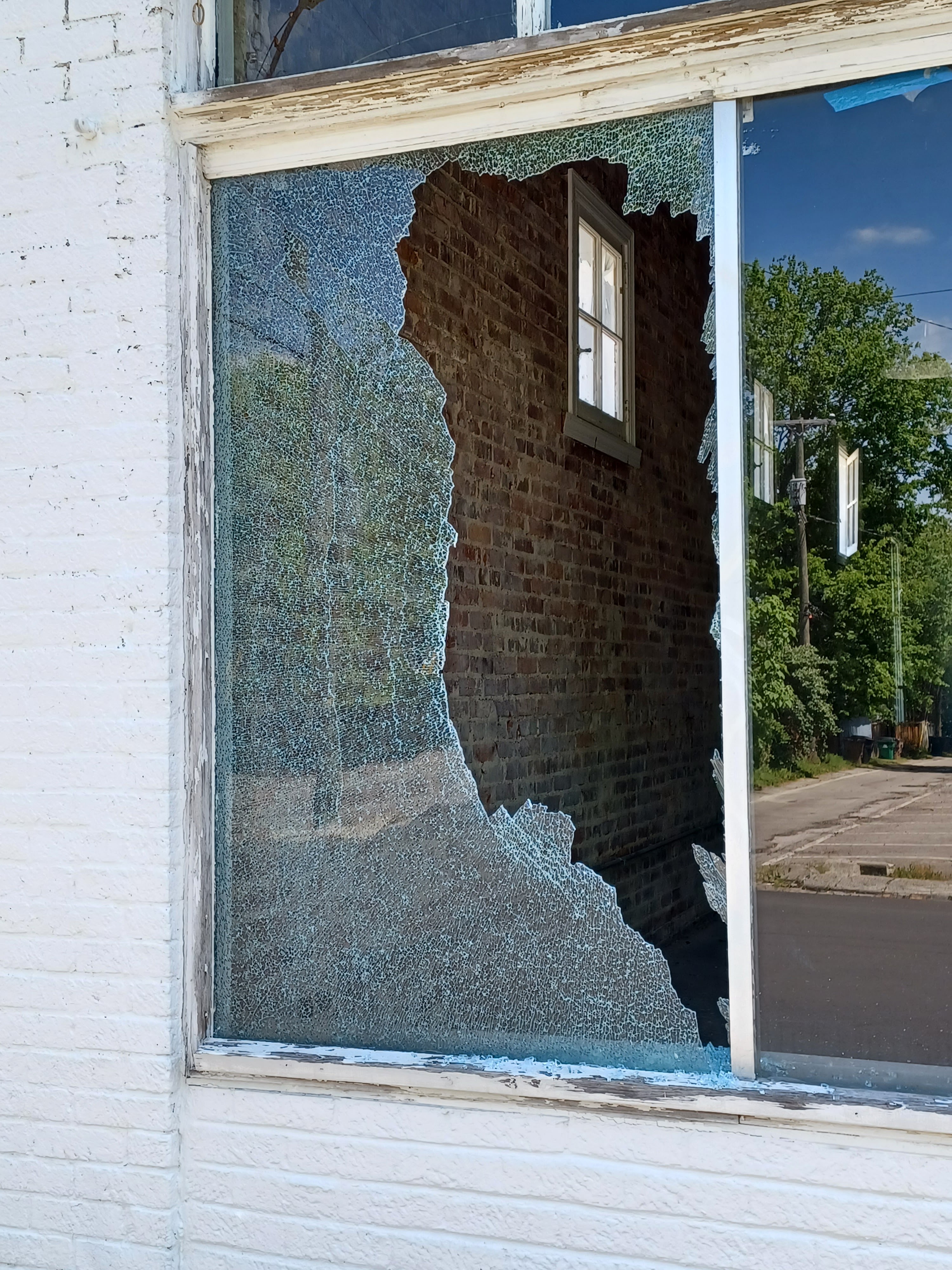
Earlier this week I was walking around a part of the city that I don’t spend much time in, and as I was meandering down a side street, a building caught my eye because of some of the graffiti on it. As I got closer to the building, I saw that one of the windows was broken and the glass was still on the sidewalk. Getting closer still, close enough to put my hand through the hole in the window, I saw a “to rent” sign in front of the building. A Google search tells me the building used to house a small business selling t-shirts with local flare. (It looks like the business is still in operation, just online and in “pop up” stores and at festivals rather than a brick-and-mortar store.)

Anytime I see a broken window in a neighborhood, I think of “broken windows theory”, which I learned about in a criminal justice class in the early 90s. The theory was interesting to me then, because it seemed so beautifully simple. (This was around the time I was also learning about Occam’s Razor so it makes sense that the simplicity of the theory was appealing to me.)

If you are unfamiliar with the theory, it is basically the idea that when signs of deterioration or decay in neighborhoods (like broken windows) are left unaddressed, it can be interpreted as a sign that no one cares about the neighborhood. This signal of disinvestment would, according to the theory, lead to even more crime and disorder.

The theory emerged in the early to mid 1980s (based on research from the 1960s) and in the 1990s it became the guiding framework for zero-tolerance policing, including the problematic “stop and frisk” policies of the NYPD. While the theory was being implemented in ways not envisioned by academics, politicians touted its success. However, it wasn’t too many years before there were indications that broken-windows policing wasn’t actually the reason that crime was declining. There is also evidence indicating the discriminatory impact and racial bias inherent in this type of policing. Another criticism of broken windows theory applied in this manner is that it is reactive, and isn’t addressing root issues in a community, particularly poverty.

Albert Einstein once said, in response to a question, “If I had an hour to solve a problem and my life depended on the solution, I would spend the first 55 minutes determining the proper question to ask, for once I know the proper question, I could solve the problem in less than five minutes.” I share this quote with classes sometimes, as a way of emphasizing the importance of a good assessment process, whether on a micro level or macro level. When I give students an assignment to do a neighborhood visit as part of a community project, I give them some guiding questions to ask. I have tweaked these questions over the years from various sources, primarily the Asset Based Community Development Institute and the section on community assessment from the Community Tool Box

  • What individual strengths do you see on display in the community?
  • What collective strengths or assets do you see present in the community?
  • What groups do you see represented? How are they represented?
  • What signs of transition do you see?
  • What signs of hope do you see?
  • Who do you see “out and about” in the community?
  • Where are people spending time? (Where are the green spaces? The public spaces?)

I think these types of questions help us understand a community more than the presence of shattered glass on a sidewalk. Every community has strength, whether broken windows are present or not.

Same song, different verse: Resources for teaching about gun violence

In prior posts, I have written about the issue of gun violence before, most recently here https://teachingbeloved.com/2022/02/05/remembering-deebony/

Yesterday in Nashville, the city where I live, there was a school shooting. Three children died. Three adult school staff. And the shooter was killed by police. I wrote some about this from a personal perspective yesterday here: https://medium.com/@williamsonsabrina4/the-most-important-lesson-we-didnt-learn-from-columbine-will-we-learn-it-from-covenant-ee92d34c3bf2

We have to have policy change in this area.

Photo by Ross Findon on Unsplash

Sometimes in classes when we are talking about comparative policy (especially how policy in one country on an issue might be different than the US policy stance), students will ask about other countries that make decisions that lead to better outcomes for their citizens than what we currently experience in the US. Broadly, students usually ask these questions in the context of educational policy, healthcare access and policy, and gun violence.

Here are three good and fairly recent resources for sharing and discussing the issue of gun violence policy. They are from varied resources, but all reputable, and easily consumed/understood by students:

https://www.nytimes.com/2022/05/25/world/europe/gun-laws-australia-britain.html

https://www.healthdata.org/acting-data/gun-violence-united-states-outlier

After discussing the content, you can always ask students to contact their elected officials to share their opinions and concerns. Here’s how they can quickly find their federal elected representatives: https://www.house.gov/representatives/find-your-representative

It is also useful to look at state legislative assemblies as well, and have students do some comparing and contrasting in class.

Finally: it may take some digging on the students’ part but having them examine how their elected officials voted on gun related legislation is interesting. Here’s a bit of a recent historical look: https://www.npr.org/2018/02/19/566731477/chart-how-have-your-members-of-congress-voted-on-gun-bills

Secondary traumatic stress and burnout, part 2

In the most recent post, I shared some resources I use when teaching students about secondary traumatic stress (STS). STS results when social workers, teachers, nurses, doctors, police officers and others in helping professions begin to experience symptoms of trauma because of the stories they hear from their clients/patients/students. Helping professionals may also experience STS because of trauma they might directly witness in the workplace, as well as from seeing their clients/patients/students in the aftermath of trauma.

Any professional who works with people exposed to trauma is at risk of experiencing STS, but there are factors that increase the risk, including being female, being a young professional, and having had a prior exposure to trauma. It is these factors that increase risk that impress upon me the need to make sure students understand it; I know it is a real likelihood they could experience it, depending on the specific field of practice they go into. In addition to the resources I shared in the previous post, this is a really useful booklet that looks to have been created for educators’ professional development: https://safesupportivelearning.ed.gov/sites/default/files/Building_TSS_Handout_3secondary_trauma.pdf The information on risk factors that I shared above is included in here, as well as more information on signs/symptoms of STS and some strategies for self-care. The thing I especially appreciate here is that the strategies aren’t all left up to the individual; there is an understanding that there has to be some organizational level work to facilitate and support self-care and there have to be some changes in the organizational environment.

Photo by Cullan Smith on Unsplash

Burnout is different; any professional can experience burnout. I have seen friends who were accountants, engineers, teachers, ministers, and–yes–social workers who “burned out” of their work. Burnout is classified by ICD (International Classification of Diseases) as an occupational phenomenon, not a medical condition. As shared on the World Health Organization website, and pulling from the ICD, burnout is characterized by exhaustion, feeling cynical about your work, having mental distance/disengagement from your work, and having reduced efficacy in your work. Here’s the link to the WHO website on the topic: https://www.who.int/news/item/28-05-2019-burn-out-an-occupational-phenomenon-international-classification-of-diseases

I know burnout in any field isn’t going to feel good; no one wants to wake up and feel cynical about their work or ineffective while doing it. But I think burnout is more critical in the helping or people-facing professions because of the impact it has on others. Social workers who are burned out are going to stop writing their case notes, cut corners on home visits, leave their jobs sooner (which hurts clients) and more. I have seen all of these happen in places I have worked. Impacts of burnout on clients/service recipients could be even more detrimental in other settings where health and mental health are concerned.

A good supervisor is invaluable when it comes to preventing burnout. Having someone who knows how to help their colleague set boundaries, who encourages self-care, and who is supportive and available for consultation goes a long way. Reflective supervision is important as well; having space in supervision to process your responses to the work you are doing is surely a prevention for burnout.

If you don’t have a supervisor or overall work environment that encourages self-care and boundary setting, the social worker (or other professional) has to prioritize it for themselves. This was always hard for me (still is hard, to be honest) and I am grateful for colleagues then and now who helped me with this even when supervisors didn’t. As we tell our students, self-care isn’t just bubble baths and time for journaling; self-care is making time to get your teeth cleaned, to pay your bills, to call a friend, to get good rest each day. This concept of “boring self-care” is discussed in several places, but this one is specific to social workers: https://www.socialworker.com/feature-articles/self-care/think-self-care-always-feels-good/

Finally, a resource that is new to me is this FRIED podcast: https://www.friedtheburnoutpodcast.com/. I have only listened to a couple of episodes but I look forward to checking out more of them. I am especially interested in the ones devoted to burnout recovery, especially as a form of resistance to so many workplace cultures that are unhealthy.