Several years ago, a friend introduced me to Anne Lamott, and specifically to her book Bird by Bird: Some Instructions on Writing and Life. I have given this book to several people over the years, including to a special student this year who served as a teaching assistant for me. And I have re-bought myself the book a few times because I loan it out and it doesn’t come back. (Fortunately, I have a copy now sitting securely in my window sill!) Anyway, the first part of the title of this post comes from that book..the power of small, flat, rigid squares of paper to change the world.
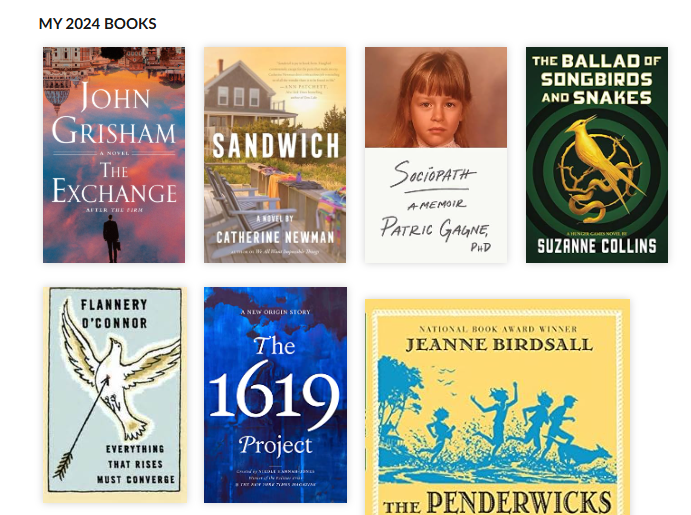
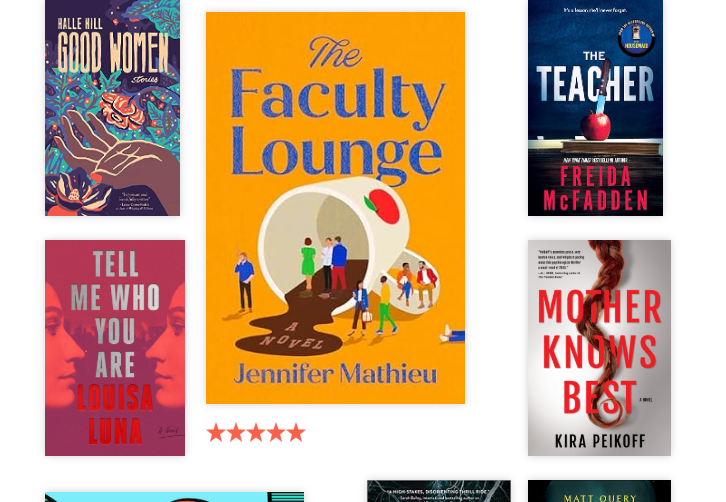
I did more reading this year than I have in the last several years, partly because my kids encouraged me to do the Goodreads reading challenge, and I didn’t want to lose (even to myself). Also I did more reading this year because I finally learned to appreciate audio books. If you are on the side who says “audio books aren’t reading”, then just keep it to yourself. Not every book I tried as an audio was a good fit, and some I put aside in favor of reading it in print, but that was because of how a particular book was structured. That being said, as I type this out, I do think that the books I am going to write about as the ones that shaped me are books I actually read in the traditional sense….but I sure did appreciate the joy of audiobooks in Nashville traffic this year, letting me have some respite from news.
- Demon Copperhead, by Barbara Kingsolver. This is the first book I finished in 2024. It is a realistic look at foster care, having a parent who has an addiction to substances, and life in small towns in Appalachia. This book introduced me to the Melungeon community, which I then learned more about this year through other types of reading and research. Barbara Kingsolver remains one of my favorite authors.
- Everywhere the Undrowned: A Memoir of Survival and Imagination by Stephanie Clare Smith. I read this book in June and I don’t think a week has gone by that I haven’t worked this book into conversation somehow, including holding my two BFFs captive pool side about it at our annual “Girls’ Weekend”. This book could trigger you if you have ever experienced assault, particularly sexual assault, and it could also be triggering if you were abandoned (literally or emotionally) by your family. But this book is the best example of how resilience is dynamic, not static, over the course of a lifetime. When people are given resources (like therapy, stability) and sometimes through time itself (different developmental stages), resilience can manifest even years after experiencing trauma. This author’s story is also a great example of the power of safe, stable nurturing relationships, even just one, in our lives. This is a powerful, powerful memoir.
- Clutter, an untidy history, by Jennifer Howard. This book is part memoir, part “how-to” and part history of why we collect “stuff”. It was fascinating. This book shaped me in helping me thing about cleaning, organizing and “keeping”. I have always been the one to want to hold onto tangible things because of memories and have had a hard time letting things go. I wouldn’t say it is super easy for me now, but I have a different perspective on keeping things and letting things go.
- The 1619 Project, by Nikole Hannah-Jones. This was a re-read for me, because I assign it in my policy class, but every time I read it (this makes the third time for me) I tune into something that I missed in a previous read. This book stimulates discussion like no other book I have ever assigned in a class. If you want to learn more history, a deeper history of the US, read this book.
- The Penderwicks series, by Jeanne Birdsall. This is a series I wish I had read years ago, and I wish I had done a read-aloud with my daughters. They have already read the series, some of them multiple times, and it was through them that I was inspired to read it. Reading these shaped me in the way of remembering that it is good to read books that are just for pure enjoyment, even if they are officially “juvenile” books. For the past several years my “fun” reading has been limited to a couple of weeks in the summer, and this year (and the good old Penderwicks) were a reminder it is fun to read “just because”.
- The Kingdom of the Poor by Charles Strobel. Charles Strobel is well known to many Nashvillians, as the founder of the organization Room in the Inn. But this book is a great read even if you have never been to Nashville and don’t know what Room in the Inn is. This is a bit of a cheat to put on here because I haven’t quite finished it, but even half way in I can honestly say this book has shaped me in thinking about what it means to live into the Beatitudes, how we hear our call to service and how we’ve seen it modeled, the importance of being in community, remembering that people are not “cases to be managed”, how, as Charlie says, we are all poor and we are all worthy of love, and more. I have also been challenged to think about my life’s version of holy water and warped floorboards. Who and what do I pray for constantly? Who and what should I be praying for?
Here’s to more reading for fun, for instruction, and for edification in 2025.
 Teaching (toward) the Beloved Community